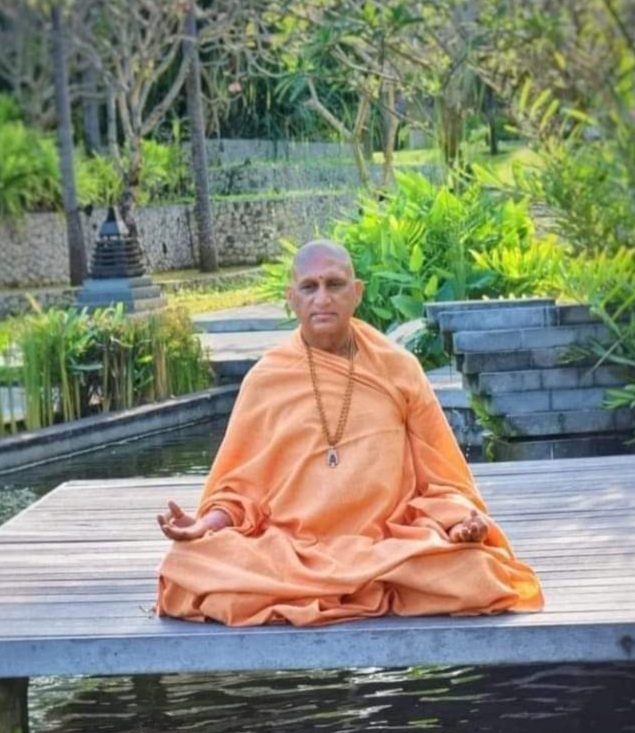
समाधि की अवस्था विद्यार्थियों, बुद्धिजीवियों एवं साधु संतों के लिए अपने ध्येय को प्राप्त करने की सर्वोत्कृष्ट अवस्था है l यह अवस्था चित्त व्रतियों के निरोध से प्राप्त होती है l समाधि अवस्था ध्यान की वह गहरी और सर्वोच्च स्थिति है, जिसमें साधक का मन एवं बुद्धि पूरी तरह से एकाग्र होकर अपने लक्ष्य प्राप्ति में लीन हो जाता है और जिसमें प्रवेश पाकर जीवन अर्थपूर्ण लगने लगता है साथ ही लक्ष्य प्राप्ति की आशा बढ़ जाती है l
समाधि संस्कृत भाषा का शब्द है जो देवों की भाषा है और इस भाषा में अर्थ का बोध शब्द से हो जाता है l जैसे समाधि सम + धि अर्थात समान बुद्धी l समाधि की अवस्था में साधक का चित्त नहीं भटकता है और उसे अपने अस्तित्व का भी ध्यान नहीं रहता साथ ही इंद्रियों पर नियन्त्रण रहता है l इस कारण से वह अपने ध्येय को चित्त व्रतियों के निरोध से प्राप्त कर आनंद व आत्म-साक्षात्कार का अनुभव करता है, जो योग का अंतिम लक्ष्य है l
समाधि की मुख्य विशेषताएँ
एकाग्रता की पराकाष्ठा: मन पूरी तरह से ध्येय वस्तु में डूब जाता है, ध्याता और ध्यान की प्रक्रिया एक हो जाती है ।
अस्तित्व का विस्मरण: साधक स्वयं को, अपने शरीर और बाहरी दुनिया को भूल जाता है।
इंद्रियों का निरोध: स्पर्श, रस, गंध, रूप और शब्द का बोध नहीं रहता भूख-प्यास, मान-अपमान का अनुभव नहीं होता।
परम शांति और आनंद यह असीम शांति, आनंद और आत्मिक संतोष की स्थिति है ।
आत्म-साक्षात्कारआत्मा को उसके वास्तविक स्वरूप से जोड़ती है और ब्रह्म के साथ एकता स्थापित करती है ।
समाधि के प्रकार ( मुख्य ) सम्प्रज्ञात समाधि ( सविकल्प ): इसमें विचार और संवेग होते हैं, लेकिन वे ध्येय से संबंधित होते हैं ।
असम्प्रज्ञात समाधि ( निर्विकल्प ): यह उच्चतम अवस्था है, जहाँ केवल शुद्ध शांति और अनुभव होता है, जिसमें कोई विचार या संवेग नहीं होता ।
महत्व: पतंजलि के योग सूत्रों के अनुसार, यह अष्टांग योग का आठवां और अंतिम अंग है, जिसके बाद प्रज्ञा (ज्ञान) का उदय होता है । यह व्यक्ति को जीवन के उद्देश्य और अर्थ से जोड़ती है, सभी दुखों का अंत करती है ।
संक्षेप में, समाधि चेतना की वह अवस्था है जहाँ मन बाहरी और आंतरिक द्वैत से परे जाकर, स्वयं को खोकर, केवल ध्येय के साथ एकाकार हो जाता है ।
विद्यार्थियों एवं बुद्धिजीवियों के लिए तामसिक एवं राजसिक आहार के सेवन से कुमार अवस्था में ही चित्त एवं ध्यान वासना एवं अनेक प्रकार की भौतिक सुखों से सम्बन्धित इच्छाओं का निर्माण करने लगता है जिसके कारण चित्त भटकने लगता है l चित्त की समस्त वृत्तियों के निरोध होने पर चित्त की स्थिर एवं उत्कृष्ट अवस्था होती है l साथ ही मन एवं बुद्धि यदि किसी ध्येय की प्राप्ति को लक्ष्य करता है तो साधक अपनी साधना में सिद्धहस्त होकर लक्ष्य को प्राप्त करता है l समाधि की समप्रज्ञात अवस्था में तमोगुण एवं रजोगुण प्रवृतियों का निरोध हो जाता है, उस समय सत्त्वगुण की प्रधानता होने से चित्त निर्मल हो जाता है और जिसके कारण से ध्यान लक्ष्य से नहीं भटकता है l
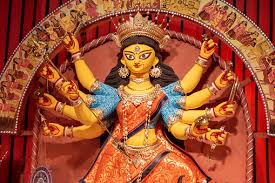
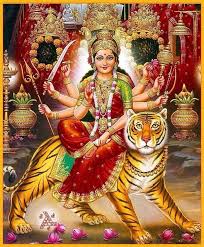
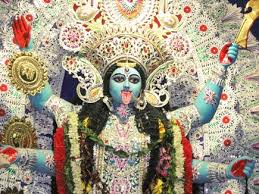
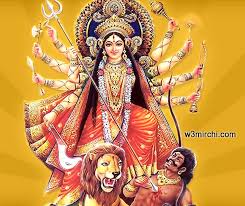
राजा सुरथ और समाधि वैश्य की कहानी दुर्गा सप्तशती के प्रथम अध्याय का आधार है ,जो मार्कंडेय पुराण से ली गई है।
अपना राज्य और परिवार द्वारा त्यागे जाने के बाद, राजा सुरथ और वैश्य समाधि ने मेधा मुनि के आश्रम में शरण ली। मुनि के ज्ञान से प्रेरित होकर, उन्होंने नदी तट पर देवी दुर्गा की चित्त की व्रतियों का निरोध करके तपस्या की और अपना खोया साम्राज्य व आत्मज्ञान प्राप्त किया ।
कहानी
चैत्रवंशी राजा सुरथ एक न्यायी शासक थे, लेकिन उनके मंत्रियों और शत्रुओं ने धोखा देकर उनका राज्य छीन लिया।
वैश्य समाधि को उसके लालची परिवार ने संपत्ति छीनकर घर से निकाल दिया था l
दोनोँ वन में भटकने लगे और एक दिन भगवती की कृपा से दोनों की मुलाकात मेधा मुनि से हुई, जिन्होंने उन्हें बताया कि सांसारिक मोह महामाया की लीला है।
मुनि के मार्गदर्शन में उन्होंने नदी के तट देवी का ध्यान किया और एकाग्रता से देवी की प्रसन्नता के लिए कठिन तपस्या की, जिससे प्रसन्न होकर माँ चंडिका (देवी दुर्गा) प्रकट हुईं ।
देवी ने प्रसन्न होकर दोनों को वरदान दिया जिससे राजा सुरथ ने अपना खोया हुआ राज्य वापस मांगा, और समाधि वैश्य ने संसार से मुक्ति (ज्ञान) मांगी।
परिणाम: दोनों के सामने देवी प्रकट हुई थी और देवी के आशीर्वाद से सुरथ को राज्य वापस मिला और वे एक महान शासक बने। समाधि वैश्य ने मोक्ष प्राप्त किया।
दुर्गा पूजा की उत्पत्ति: मान्यता है कि राजा सुरथ ने ही सबसे पहले वसंत ऋतु में दुर्गा पूजा शुरू की थी, जिसके बाद यह परंपरा भारत में लोकप्रिय हुई।
यह कथा सिखाती है कि एकाग्र चित्त, निर्मल ( मलरहित ) मन से सच्ची भक्ति होतीं है और देवी की कृपा से सांसारिक मोह के दुखों को पार किया जा सकता है और सब कुछ वापस पाया जा सकता है।
The state of Samadhi is the best state for students, intellectuals and sages to achieve their goal. This state is achieved by restraining the mind. Samadhi state is that deep and supreme state of meditation, in which the mind and intellect of the seeker gets completely concentrated and absorbed in achieving his goal and after entering into which, life starts to seem meaningful and the hope of achieving the goal increases.
Samadhi is a word of Sanskrit language which is the language of Gods and in this language the meaning can be understood from the word. Like Samadhi Sam + Dhi means equal intellect. In the state of Samadhi, the mind of the seeker does not wander and he is not aware of his existence and at the same time remains in control over his senses. For this reason, he achieves his goal by restraining the mind and experiences joy and self-realization, which is the ultimate goal of Yoga.
Main features of Samadhi Peak of concentration: The mind becomes completely immersed in the object of focus, the meditator and the process of meditation become one.
Forgetfulness of existence: The seeker forgets himself, his body and the outside world.
Restraint of senses: There is no sense of touch, taste, smell, form and sound; there is no experience of hunger-thirst, honor-insult.
Ultimate Peace and Bliss This is a state of immense peace, joy and spiritual satisfaction.
Self-realization connects the soul to its true nature and establishes unity with Brahman.
Types of Samadhi (Main) Samprajnata Samadhi (Savikalpa): It contains thoughts and emotions, but they are related to the goal.
Asamprajnata Samadhi (Nirvikalpa): This is the highest state, where there is only pure peace and experience, with no thoughts or emotions.
Significance: According to the Yoga Sutras of Patanjali, it is the eighth and final limb of Ashtanga Yoga, after which Prajna (wisdom) arises. It connects a person to the purpose and meaning of life, putting an end to all suffering.
In short, Samadhi is that state of consciousness where the mind goes beyond the duality of external and internal, losing the self and becoming one with only the object.
For students and intellectuals, due to the consumption of Tamasic and Rajasic food, in the Kumara stage itself, the mind and meditation starts developing desires related to lust and many types of material pleasures, due to which the mind starts wandering. When all the tendencies of the mind are restrained, the mind becomes stable and excellent. Also, if the mind and intellect aim at achieving any goal, then the seeker becomes adept in his sadhana and achieves the goal. In the well-known state of Samadhi, the Tamogun and Rajogun are present. Tendencies are restrained, at that time due to the predominance of Sattva Guna, the mind becomes pure and due to which the attention does not deviate from the goal.
The story of King Surath and Samadhi Vaishya is the basis of the first chapter of Durga Saptashati, which is taken from Markandeya Purana.
After being abandoned by his kingdom and family, King Suratha and Vaishya Samadhi took refuge in the ashram of Medha Muni. Inspired by the wisdom of the sage, he performed penance by stopping the vows of the mind of Goddess Durga on the river bank and regained his lost kingdom and enlightenment.
story Chaitravanshi king Surath was a just ruler, but his ministers and enemies betrayed him and took away his kingdom. Vaishya Samadhi was thrown out of the house by his greedy family after snatching away his property. Both of them started wandering in the forest and one day by the grace of Bhagwati, both of them met Medha Muni, who told them that worldly attachment is the play of Mahamaya. Under the guidance of the sage, he meditated on the Goddess on the banks of the river and with concentration performed hard penance to please the Goddess, due to which Mother Chandika (Goddess Durga) appeared pleased. The goddess was pleased and granted a boon to both of them whereby King Suratha asked for his lost kingdom back, and Samadhi Vaishya asked for liberation (knowledge) from the world. Result: The Goddess appeared before both of them and with the blessings of the Goddess, Surath got the kingdom back and became a great ruler. Samadhi Vaishya attained salvation. Origin of Durga Puja: It is believed that King Surath was the first to start Durga Puja in the spring season, after which this tradition became popular in India. This story teaches that a concentrated, pure mind leads to true devotion and by the grace of the Goddess, the sufferings of worldly attachment can be overcome and everything can be regained.